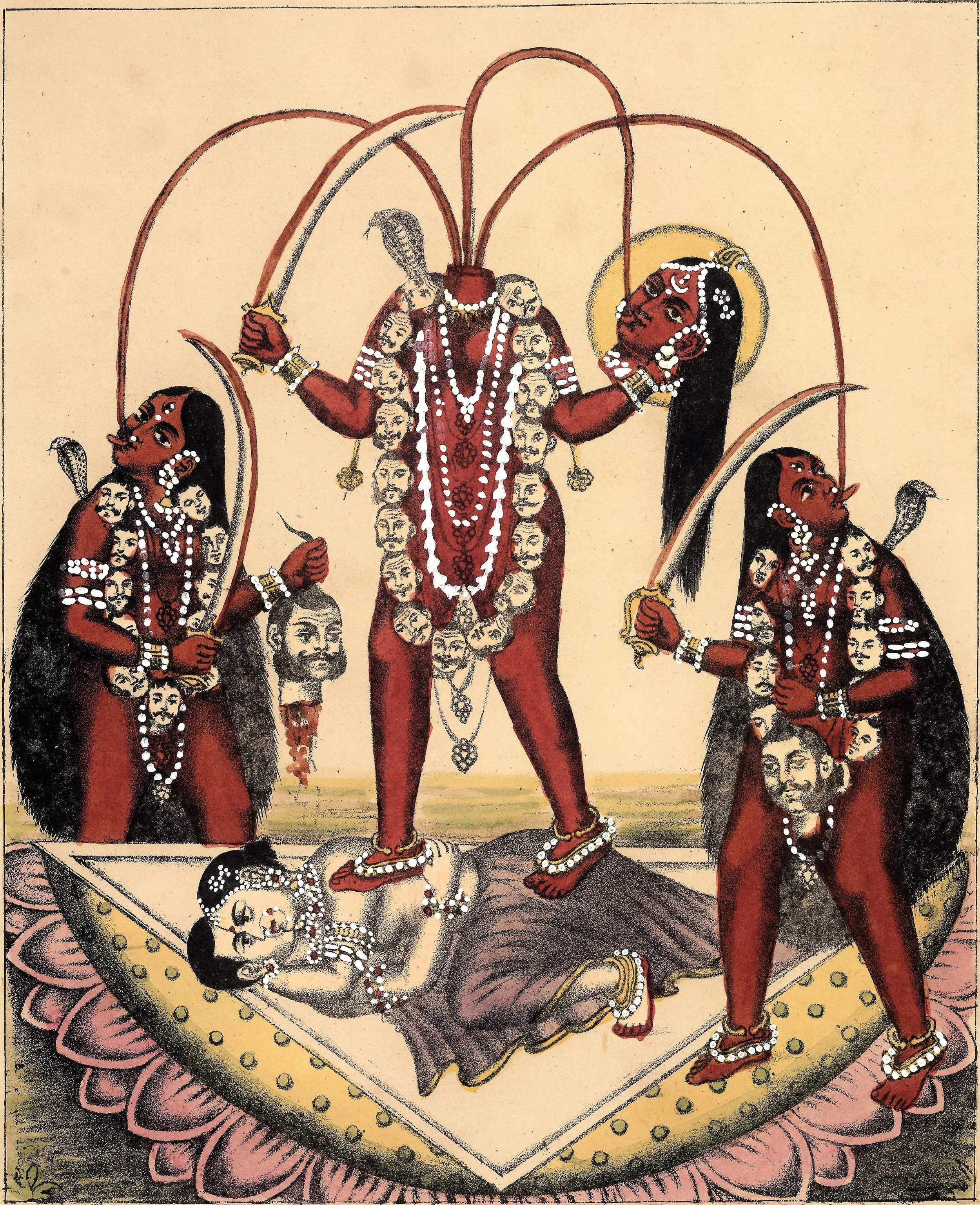


I set out to understand the goddess Chhinnamasta, a deity who holds her own severed head, and ended up discovering a deeper story about sacred places, living traditions, and the relationship between a goddess and the people who worship her.
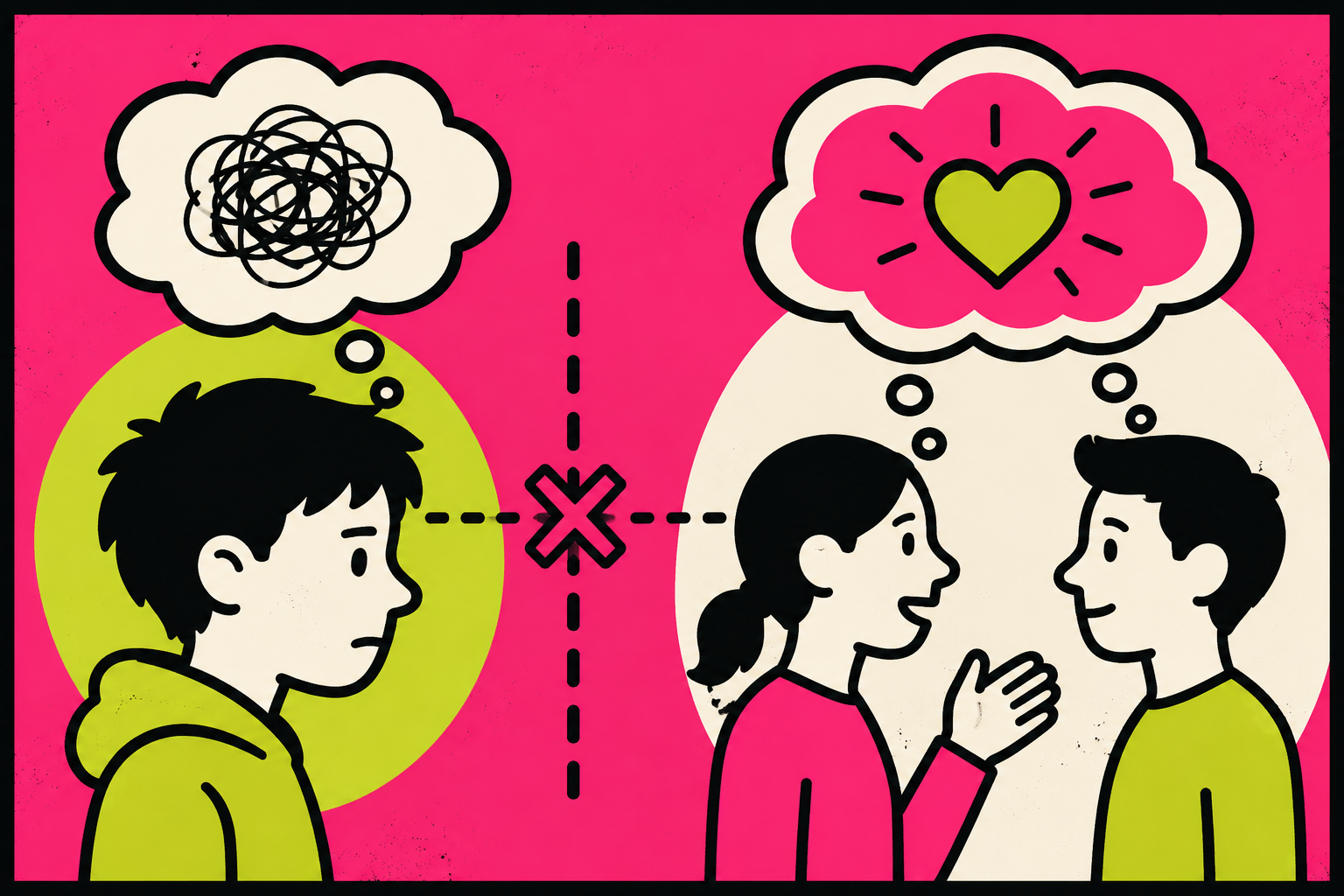
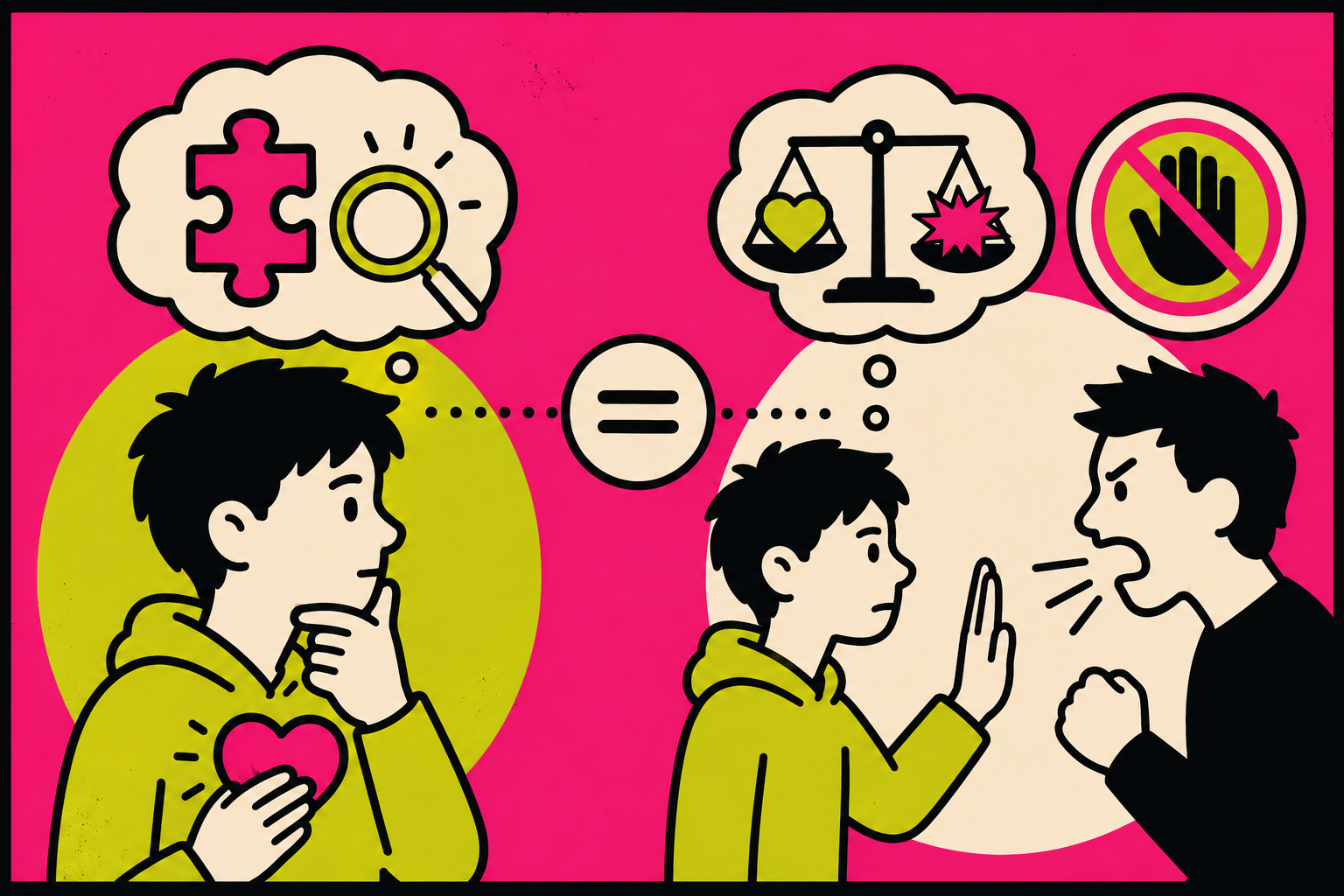
Why theory-of-mind differences in autism hit hardest in romantic relationships — and what actually breaks down when an ambiguous moment gets read the wrong way.
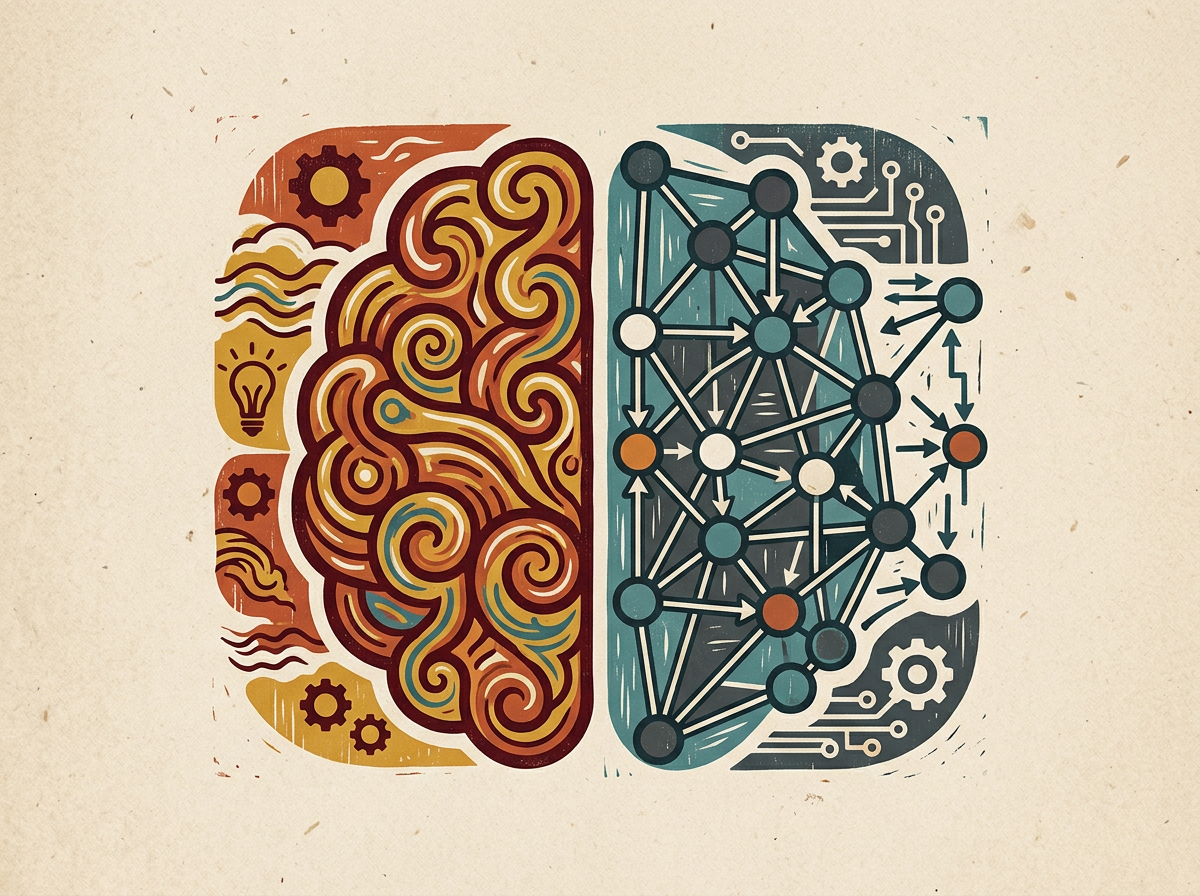
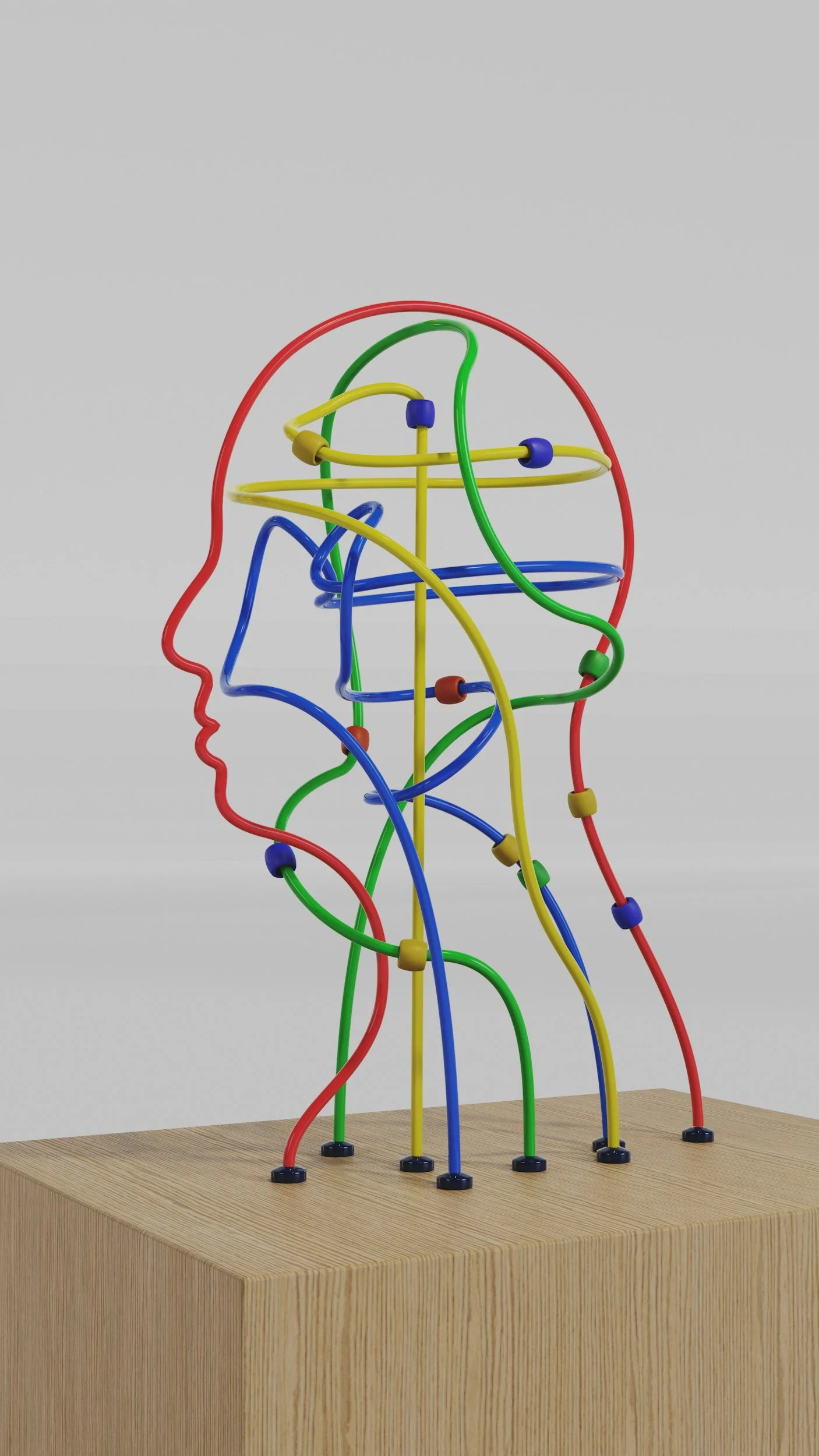
"Neural network" is one of the great marketing coups of computer science — the name conjures firing synapses and brain-like thought, but the artificial neuron is a distant, oversimplified cousin of the biological one. From spikes vs. plain numbers to a learning algorithm (backpropagation) with no known biological counterpart, the real story isn't that we built a silicon brain. It's that a few crude ideas borrowed from neuroscience turned out to be enough anyway.
Why do cats keep appearing in science? From Schrödinger’s famous thought experiment to quantum physics, falling-cat mechanics, and the “Google cat” in artificial intelligence, cats have become surprisingly useful companions for thinking about reality, perception, and intelligence.
Can matter be alive without carbon? A fringe 2007 study says self-organizing plasma checks every box biologists use to define life.
Nearly a millennium before the Taj Mahal, and centuries before Ajanta and Ellora, someone in Bihar solved a stoneworking problem we still can't fully explain — and then the knowledge, and the people who held it, disappeared.
The field declared neural networks dead — twice. One professor's stubborn bet on them eventually became the foundation of ChatGPT.
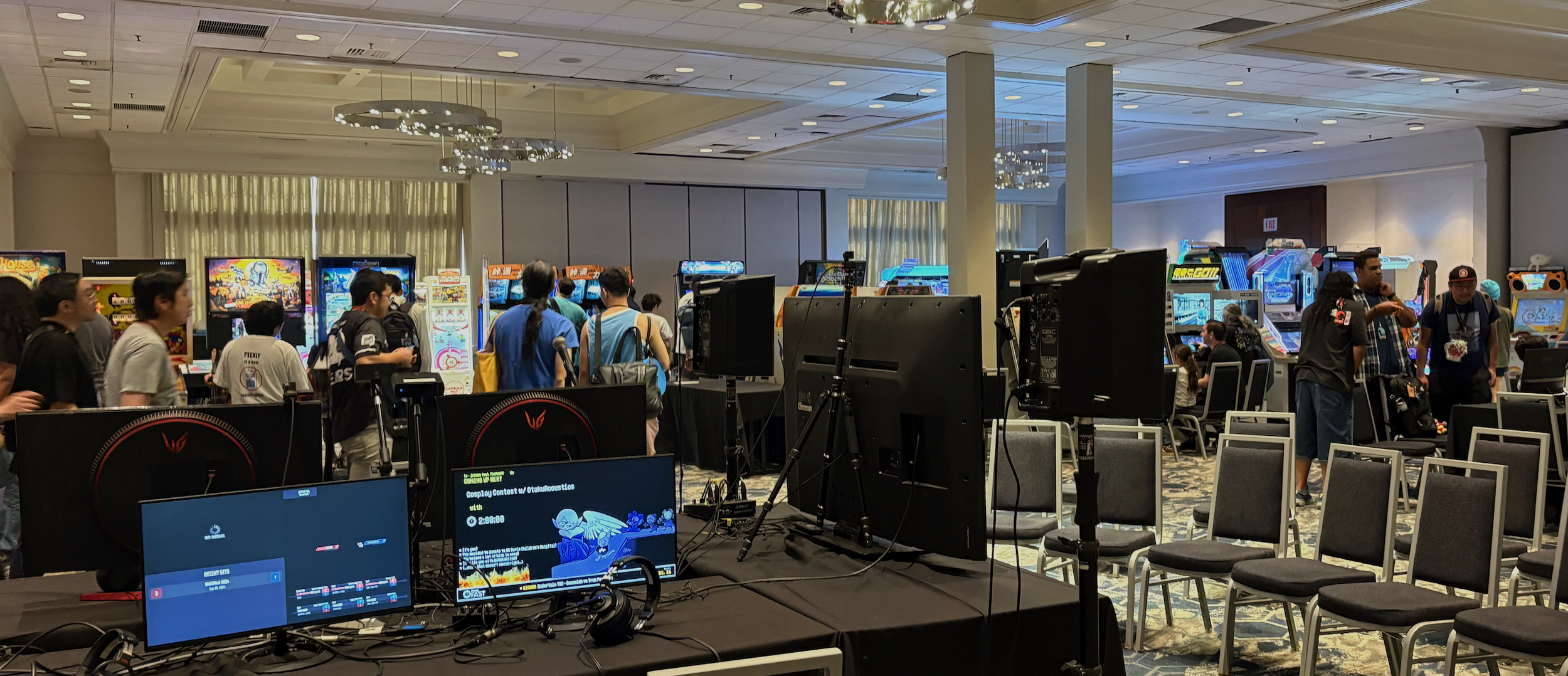
A visit to MAGWest in San Jose—a surprisingly young and intimate celebration of retro gaming, modern Japanese arcade games, video game music, cosplay, and the communities keeping gaming culture alive across generations.
A diagnosis explains why something is harder — it was never supposed to answer whether you're going to work on it.
What if some coincidences are too strange to feel like “just chance”? Jung called these moments synchronicity: meaningful coincidences that seem connected even when no causal connection can be found. From a golden scarab appearing at exactly the right moment to a mysterious reunion over plum pudding, these stories raise an intriguing question: can mathematics explain the coincidence without explaining why it feels meaningful?
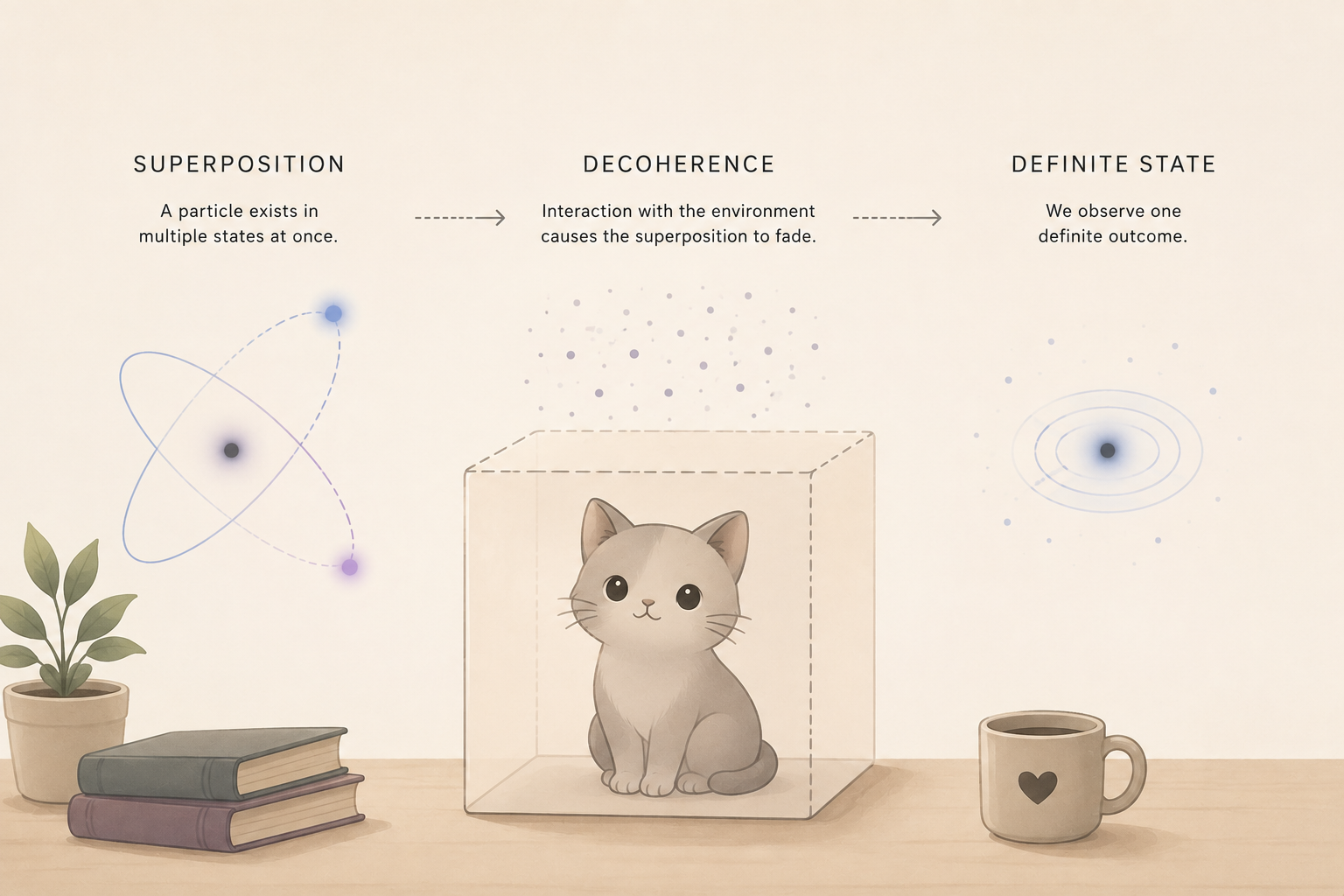
How does the strange quantum phenomenon of superposition relate to the reality we experience every day? A look at mass, decoherence, and why quantum possibilities become harder to observe as systems grow larger and more complex.
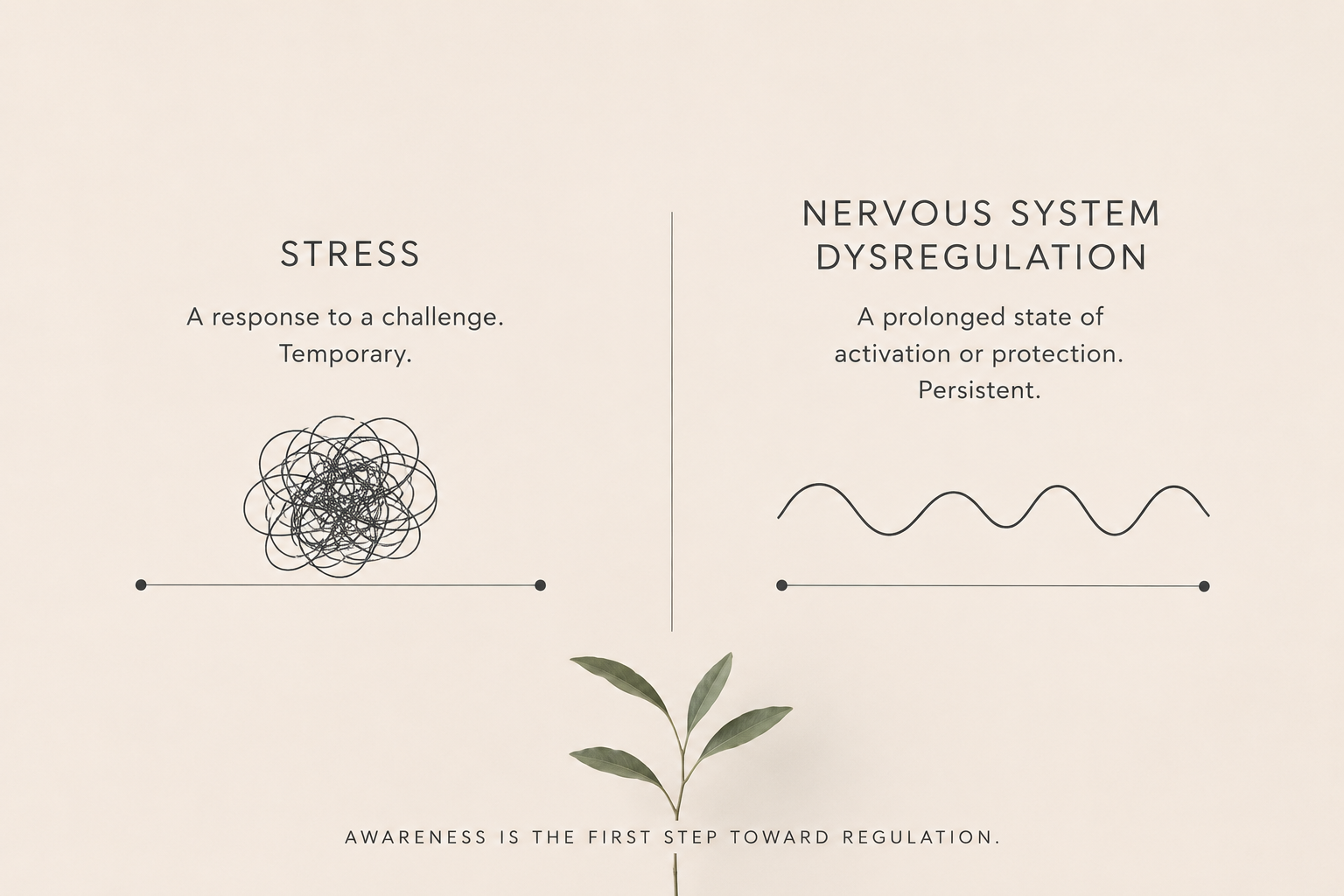
Stress is a normal response to life's challenges. Nervous system dysregulation is different—and understanding the distinction can be the first step toward healing.
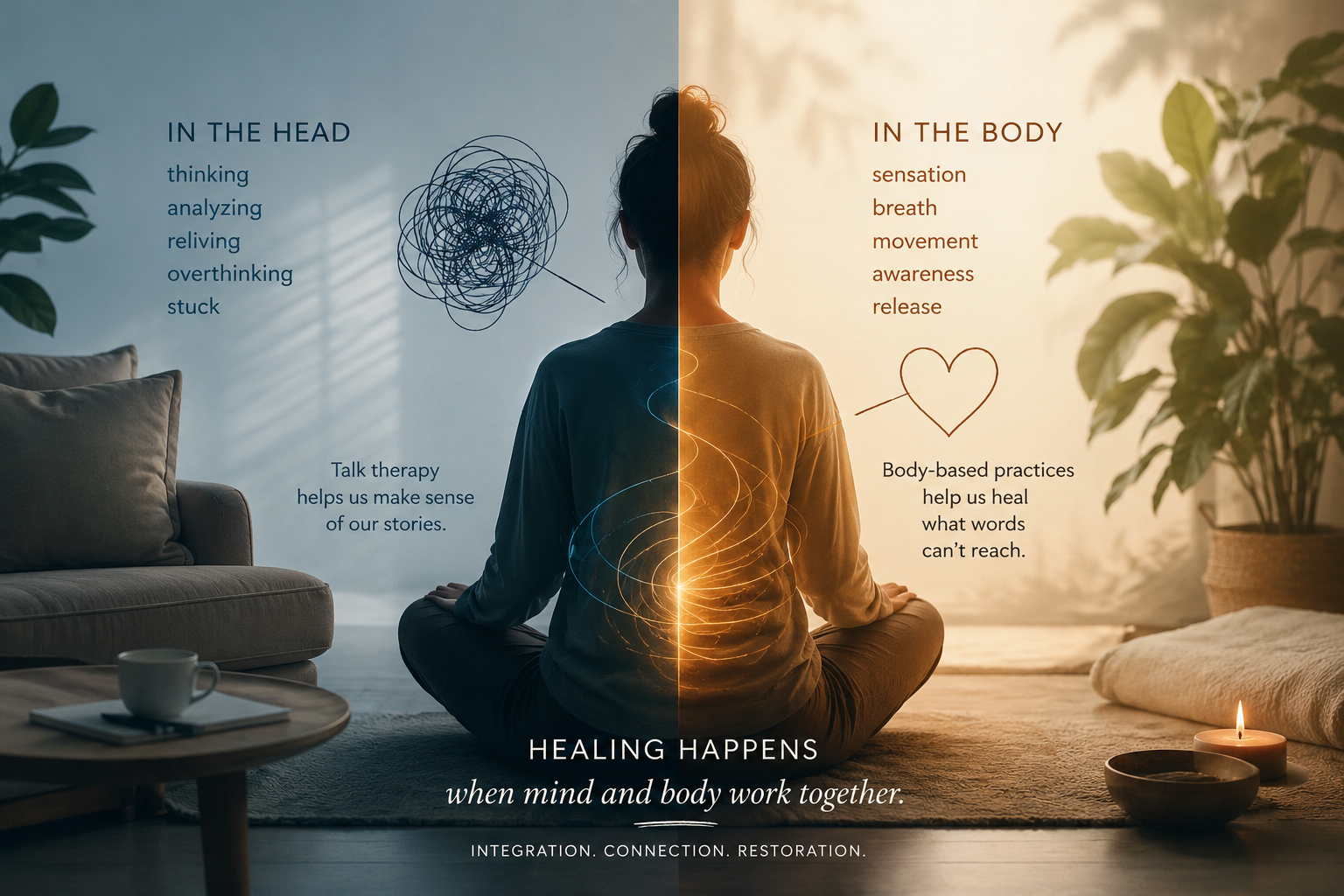
An exploration of why integrating somatic approaches with traditional psychotherapy can provide a more complete path to healing.
E.M. Forster's only science fiction — a 1909 short story so accurate about screen-mediated isolation that a 2020 BBC piece called it 'breathtakingly accurate' about lockdown life.
A particle-physicist-turned-journalist traces cryptography's history as an escalating duel between code-makers and code-breakers — Linear B to quantum cryptography
A Bell Labs engineer who worked alongside Claude Shannon gives information theory a real mathematical introduction — dense, dated in places, but genuinely rigorous.
Orson Scott Card's five-book saga starts as a tightly plotted military SF thriller and turns into something far more philosophical — a rare double Hugo/Nebula winner across its first two books.
Excerpt (short, for a card/grid listing):
"A historian's disturbing, contested account of Hans Asperger's role in Nazi Vienna's child euthanasia program — serious history, not a casual read.
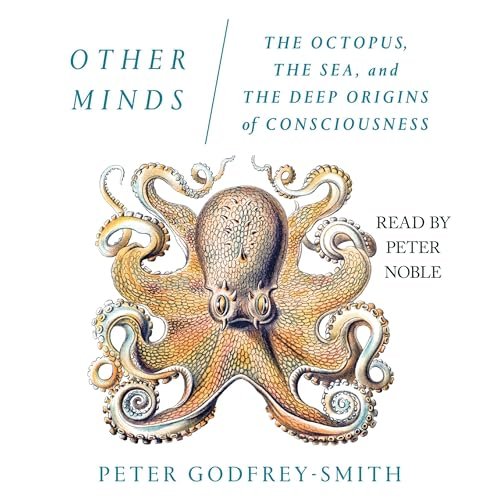
Peter Godfrey-Smith argues that intelligence evolved independently in cephalopods and vertebrates, using the octopus's strange, distributed nervous system to ask what a genuinely alien mind might be like. Read alongside Ray Nayler's The Mountain in the Sea for the full effect.
Excerpt (short, for a card/grid listing):
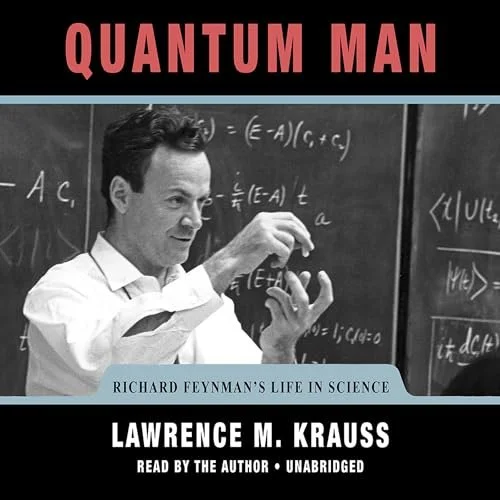
"A physicist's biography of Feynman that centers the actual science — path integrals, Feynman diagrams, and the fields his tangents ended up seeding.
Dr. Sue Johnson walks couples through seven conversations built on attachment theory to get past the surface argument and address what's actually driving disconnection — earnest and occasionally cheesy, but grounded in real research.
An unflinching memoir of living with borderline personality disorder — a rare inside look at a condition often misunderstood by the people who love someone with it.
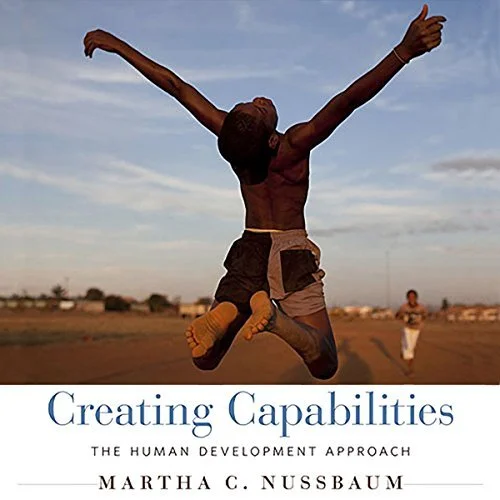
Martha Nussbaum's compact, influential case for measuring a good life by what people are actually able to do and be — not by GDP.
A blind French girl and a German radio prodigy are pulled toward each other during the WWII siege of Saint-Malo — Anthony Doerr's Pulitzer Prize–winning novel.
Plasma makes up 99% of the universe. Robert Temple thinks it might be alive — and might explain consciousness too.
A timeless philosophical journey exploring quality, meaning, and the balance between rational thought and lived experience.
A compassionate and scientifically grounded exploration of how trauma shapes the mind and body, and how healing begins through safety, connection, and nervous system regulation.
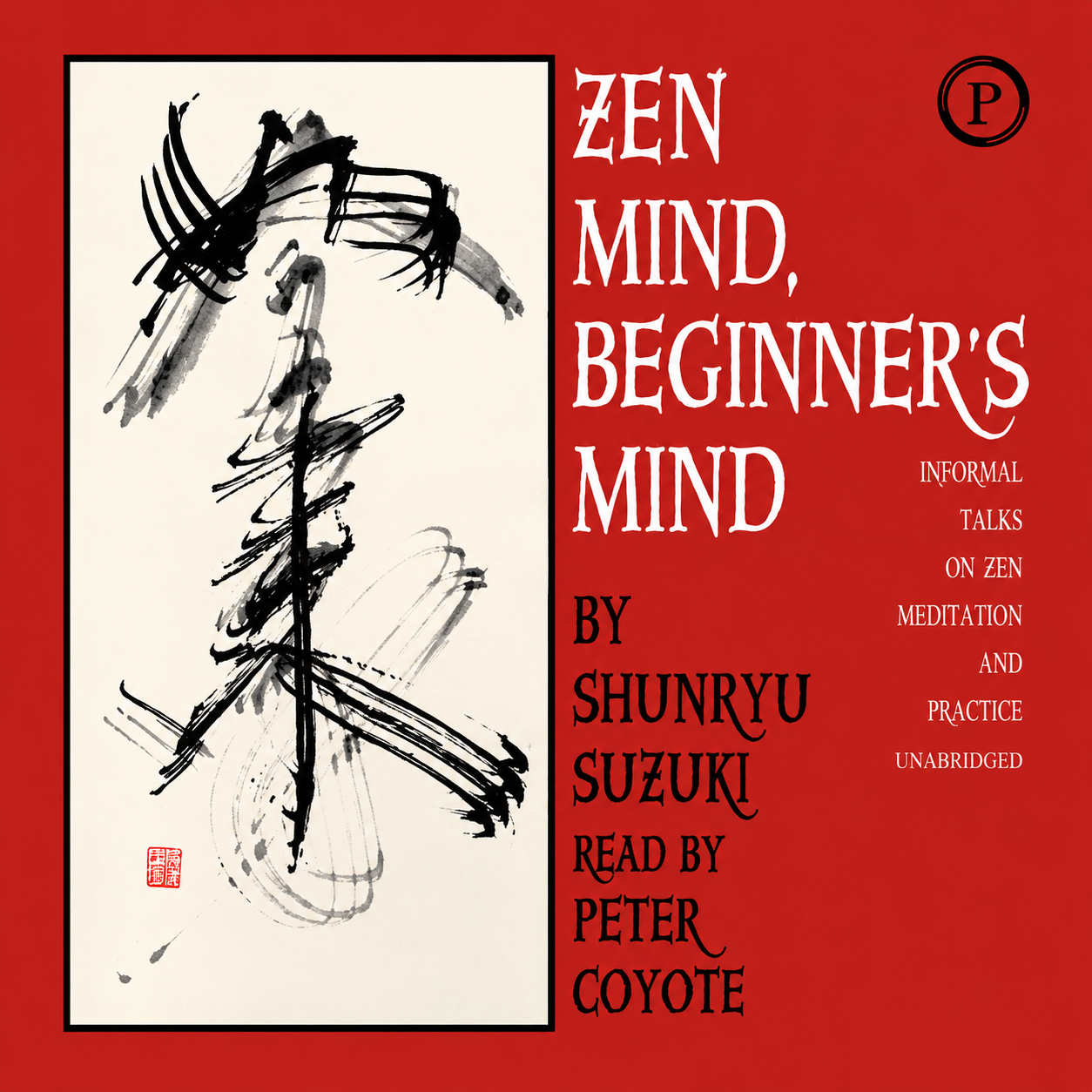
A timeless introduction to mindfulness and Zen practice that teaches how to approach life with openness, curiosity, and presence. Simple, profound, and endlessly re-readable, this is one of the foundational books of modern mindfulness.
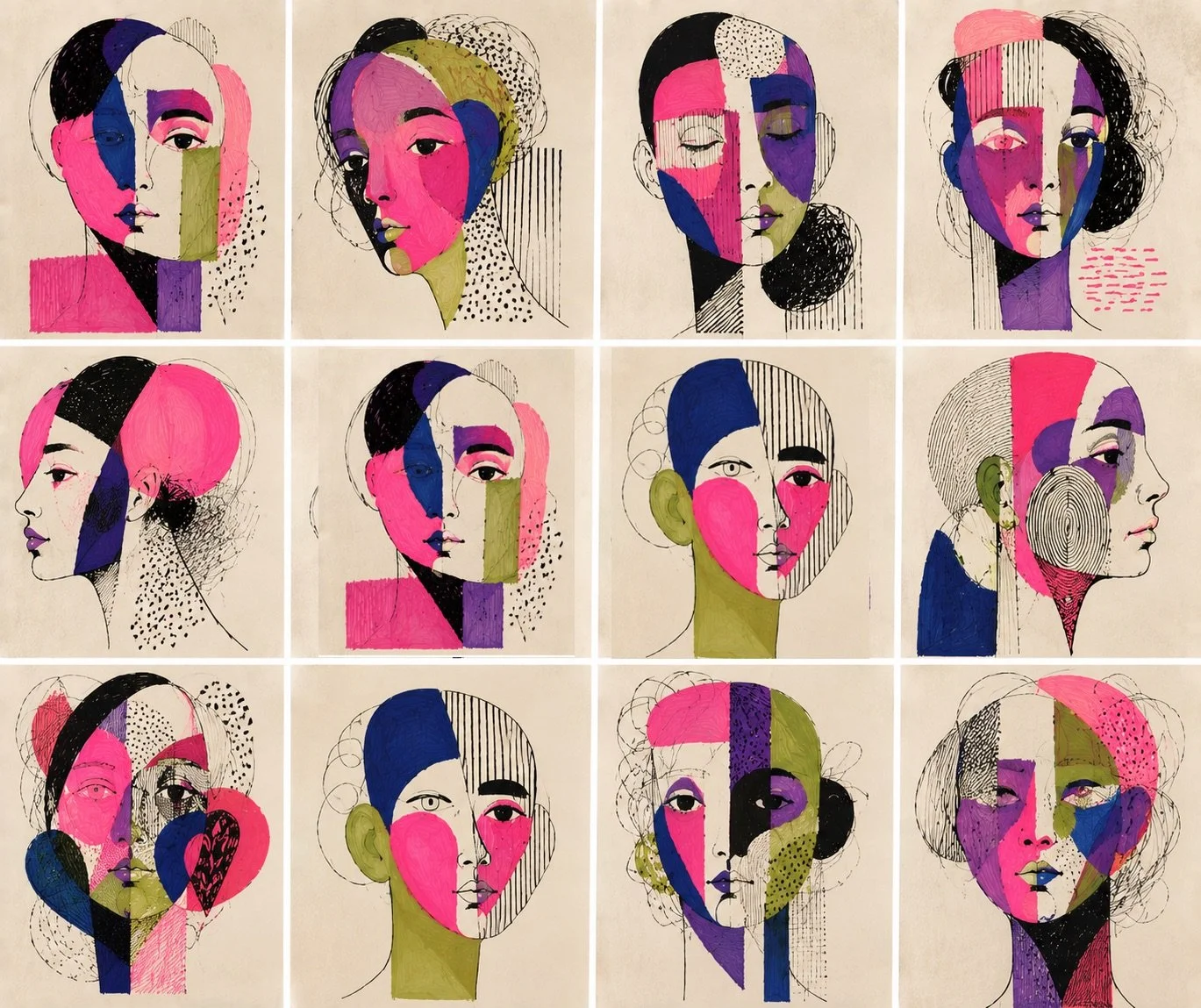
What if becoming whole doesn't mean becoming one consistent version of yourself? The many forms of Tara—from compassionate Green Tara to fierce and protective manifestations—offer a striking image of human complexity. Perhaps these different faces can help us explore the qualities we've learned to hide, reject, or repress, and discover that wholeness may mean making room for more of ourselves, not less.