The Machine Stops
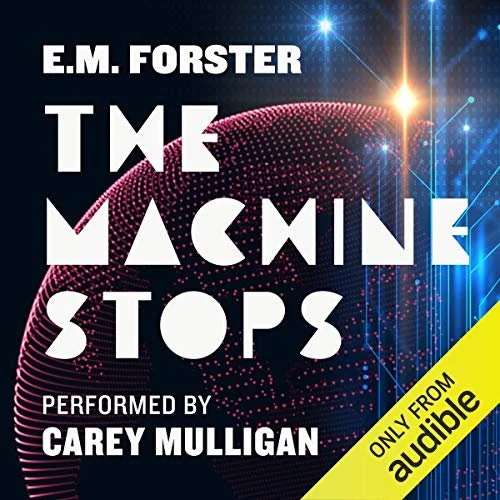
by E.M. Forster
E.M. Forster is known for novels like A Room with a View, Howards End, and A Passage to India — literary fiction with no interest in gadgets or the future. The Machine Stops, published in 1909 in The Oxford and Cambridge Review, is the one striking exception: his only work of science fiction, written as a direct rebuttal to H.G. Wells's optimistic 1905 vision of a technological utopia, A Modern Utopia. Where Wells saw political progress through technology, Forster wanted to show technology itself becoming the controlling force.
The setup: humanity lives underground in isolated individual rooms, entirely dependent on a vast, all-providing Machine for survival, communication, and entertainment. The story follows a mother and her son as friction develops between her contentment with this arrangement and his growing unease with it. That's as far as the premise goes here — no spoilers on where it leads.
What makes this one worth reading well over a century later is how specifically it anticipated things Forster had no technical vocabulary for yet — instant messaging, video calls, social media, algorithmic isolation, even artificial intelligence. A BBC piece from 2020 called it "jaw-droppingly, gob-smackingly, breathtakingly accurate" about life during lockdown, and it's easy to see why reading it today. It was inducted into The Science Fiction Hall of Fame in 1973 and has influenced later work, including Isaac Asimov's The Naked Sun and George Lucas's THX 1138.
I'd recommend it to anyone interested in early science fiction, technology criticism, or just wanting to see how accurately a 1909 writer anticipated life mediated almost entirely through screens. It's short — a single sitting, not a commitment — which makes it an easy one to hand to someone skeptical that century-old fiction could still feel current.
View & Purchase on Amazon
