MAGWest 2026: Music & Gaming
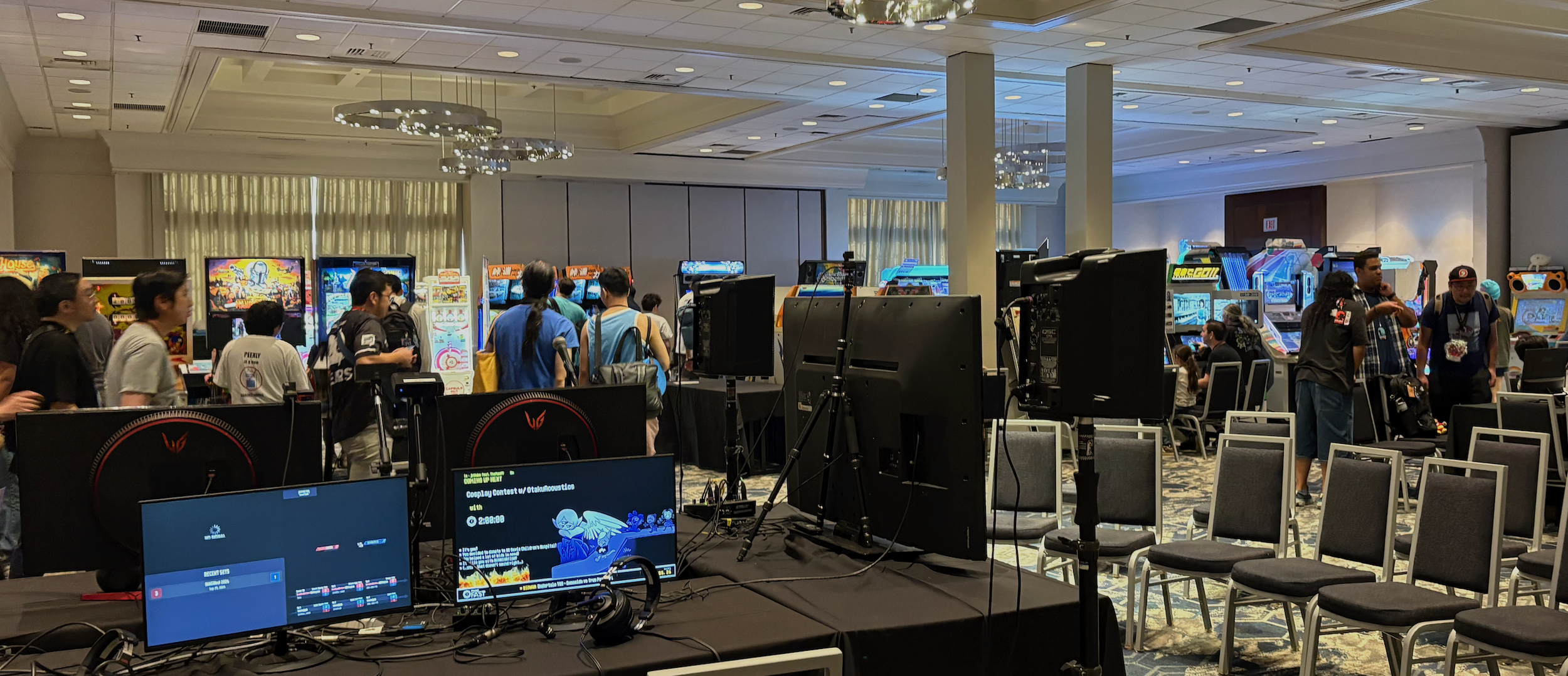
Last weekend, I was excited to be invited to MAGWest, the Music and Gaming Festival West, held in San Jose, California. I wasn't entirely sure what to expect going in, which ended up being part of the fun.
MAGWest is a three-day festival centered around video games, video-game music, and the communities that have grown around them. The event includes everything from console and arcade gaming to tabletop games, retro computers, live music, panels, cosplay, and other activities.
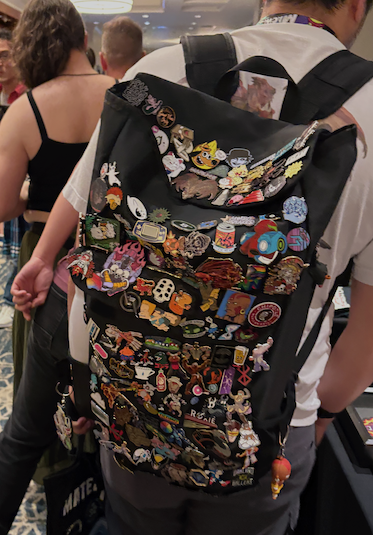
One of the first things that surprised me was the age of the crowd. Given the amount of retro technology and gaming nostalgia at the festival, I expected to encounter a predominantly older audience—people who had grown up with many of these games and computers the first time around. Instead, much of the crowd appeared to be high-school and college-aged.
There was something genuinely interesting about walking through rooms filled with older computers, consoles, and games and seeing them being explored and enjoyed by a generation born long after much of the technology was new.
Where Retro Technology Meets a New Generation
That mixture of old technology and young participants gave the festival a distinctive atmosphere. Rather than feeling like a nostalgia convention exclusively for people revisiting their childhoods, it felt like an active subculture in which younger generations are adopting, remixing, and preserving pieces of earlier digital culture.
At the same time, MAGWest wasn't exclusively retro. One of my favorite discoveries was maimai, the modern Japanese rhythm arcade game that looks remarkably like a washing machine. Its large circular interface, colorful lights, and fast-paced rhythm gameplay make it immediately stand out, even in a room filled with unusual machines. Amid the retro computers and older gaming technology, it was fun to encounter something distinctly modern from Japanese arcade culture—and to see old and new gaming traditions existing naturally alongside one another.
Music is equally central to MAGWest. One of this year's performers was Frank Klepacki, the composer and musician particularly well known for creating music for the Command & Conquer video-game series. Seeing a composer associated with such an iconic era of PC gaming performing at a festival populated heavily by younger attendees reinforced that same sense of cultural continuity.
A Tiny, Intimate Comic-Con
The easiest way I can describe the overall experience is that MAGWest felt a little like a tiny Comic-Con.
There were costumes, gaming rooms, vendors, music, artists, niche communities, and people enthusiastically sharing their interests—but on a much smaller and more intimate scale than a massive convention.
There was even a cosplay contest, where participants could present their costumes and performances onstage. The cosplay added another layer of creativity to an event that already blended gaming, music, technology, and art.
The smaller scale was actually part of its charm. Instead of feeling swallowed by an enormous convention center and thousands upon thousands of attendees, MAGWest felt more like temporarily stepping into a concentrated community built around gaming, music, technology, creativity, and play.
What stayed with me most was the unexpected combination of generations. I went in expecting the retro computers and games to draw an older, nostalgia-driven crowd. Instead, I found a surprisingly young community enthusiastically engaging with technologies and cultural artifacts that predated many of them—while simultaneously embracing newer games and contemporary gaming culture.
It was a nice reminder that "retro" culture isn't necessarily about looking backward. Sometimes older technologies, music, and creative communities simply find a new audience, while continuing to evolve alongside whatever comes next.
